Laparoscopic Myomectomy for Large Fibroids
A Minimally Invasive Approach to Complex Fibroid Removal
Introduction
Uterine fibroids are among the most common benign tumors affecting women of reproductive age. While many fibroids remain asymptomatic, larger fibroids can lead to significant symptoms, including heavy menstrual bleeding, pelvic pain, and fertility challenges.
Traditionally, large fibroids were managed through open surgery. However, advancements in minimally invasive techniques have made laparoscopic myomectomy a safe and effective option—even for large fibroids—in selected patients.
Understanding Uterine Fibroid
Fibroids (also known as leiomyomas) are non-cancerous growths that develop from the muscular wall of the uterus.
They vary in:
- Size (from small nodules to large masses)
- Number (single or multiple)
- Location (submucosal, intramural, or subserosal)
Large fibroids—typically greater than 5–10 cm—can distort the uterine structure and significantly impact quality of life.
What is Laparoscopic Myomectomy?
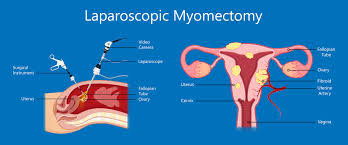
Laparoscopic myomectomy is a minimally invasive surgical procedure used to remove fibroids while preserving the uterus.
The procedure involves:
- Small abdominal incisions
- Use of a laparoscope (camera) for visualization
- Specialized instruments to excise fibroids
- Reconstruction of the uterine wall
This technique allows for precise removal with minimal disruption to surrounding tissues.
Can Large Fibroids Be Removed Laparoscopically?
Yes—with advances in surgical expertise and technology, laparoscopic removal of large fibroids is increasingly feasible.
However, success depends on:
- Size and number of fibroids
- Location within the uterus
- Surgeon’s experience
- Availability of advanced equipment
In complex cases, careful patient selection is critical to ensure safety and optimal outcomes.
Indications for Laparoscopic Myomectomy
This procedure may be recommended for women who:
- Experience heavy or prolonged menstrual bleeding
- Have pelvic pain or pressure symptoms
- Are planning pregnancy and have fibroids affecting fertility
- Wish to preserve the uterus
- Have rapidly growing fibroids requiring removal
Surgical Technique Overview
1. Preoperative Preparation
- Imaging (ultrasound or MRI) to map fibroids
- Blood work and medical evaluation
- Counseling regarding risks and alternatives
2. Procedure Steps
- Anesthesia & Access
Performed under general anesthesia using small keyhole incisions - Visualization
A laparoscope provides a magnified view of the uterus - Fibroid Removal
Fibroids are carefully dissected from the uterine wall - Uterine Repair
The uterine muscle is reconstructed using layered suturing techniques - Specimen Retrieval
Fibroids are removed using techniques such as morcellation (performed safely under controlled conditions)
Advantages of the Laparoscopic Approach
- Smaller incisions and minimal scarring
- Reduced blood loss
- Shorter hospital stay
- Faster recovery and return to normal activities
- Lower risk of postoperative adhesions
Challenges in Large Fibroid Cases
Managing large fibroids laparoscopically presents unique challenges:
- Increased surgical complexity
- Risk of bleeding
- Longer operative time
- Technical difficulty in suturing the uterus
These challenges highlight the importance of an experienced surgical team.
Outcomes and Success Rates
When performed by skilled surgeons, laparoscopic myomectomy for large fibroids can achieve:
- Effective symptom relief
- Preservation of fertility
- Low complication rates
Many women successfully conceive after the procedure, depending on individual reproductive factors.
Risks and Complications
Although generally safe, potential risks include:
- Bleeding or need for blood transfusion
- Conversion to open surgery in complex cases
- Infection
- Adhesion formation
- Uterine rupture in future pregnancy (rare, but requires monitoring)
Recovery and Postoperative Care
- Hospital stay: usually 1–2 days
- Return to daily activities: within 2–3 weeks
- Full recovery: approximately 4–6 weeks
- Follow-up to monitor healing
Patients planning pregnancy are usually advised to wait a few months before attempting conception.
Laparoscopic vs Open Myomectomy
| Feature | Laparoscopic Myomectomy | Open Myomectomy |
|---|---|---|
| Incision | Small (keyhole) | Large abdominal incision |
| Recovery Time | Faster | Longer |
| Pain | Less | More |
| Hospital Stay | Short | Extended |
Conclusion
Laparoscopic myomectomy has revolutionized the management of uterine fibroids, offering a minimally invasive alternative even for larger fibroids in selected cases. With the right expertise and careful planning, this approach provides excellent outcomes while preserving fertility and reducing recovery time.
Women experiencing symptoms from large fibroids should consult a qualified gynecologic surgeon to explore whether laparoscopic myomectomy is a suitable option for their condition.