
Non-Invasive Fibroid Treatments
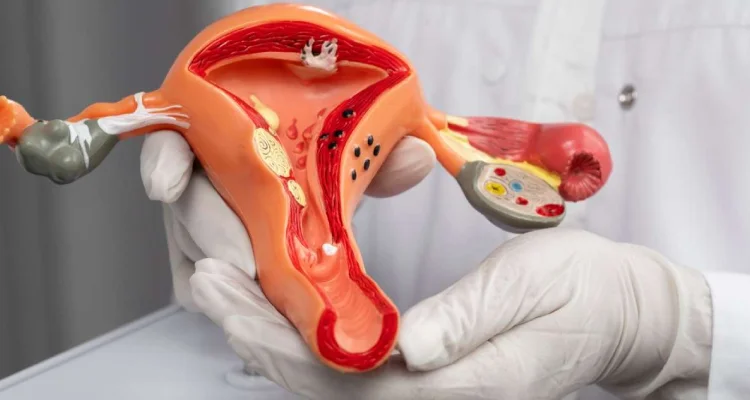
Modern Alternatives to Surgery for Uterine Fibroids Introduction Uterine fibroids are common benign growths that affect a significant number of women during their reproductive years. While some fibroids remain asymptomatic, others can cause heavy bleeding, pelvic pain, and fertility concerns. Traditionally, treatment often involved surgery. However, advancements in medical technology have introduced non-invasive and minimally invasive options that effectively manage fibroids while preserving the uterus and reducing recovery time. This blog explores the latest non-invasive fibroid treatments and how they are transforming patient care. Understanding Uterine Fibroids Fibroids (leiomyomas) are non-cancerous tumors that develop within or around the uterus. They vary in size, number, and location, and symptoms may include: Not all fibroids require treatment—intervention depends on symptom severity, size, and patient goals. What Are Non-Invasive Fibroid Treatments? Non-invasive treatments are procedures that do not require surgical incisions and typically involve minimal downtime. These approaches focus on shrinking fibroids, reducing symptoms, and improving quality of life. Key Non-Invasive Treatment Options 1. MRI-Guided Focused Ultrasound Surgery (FUS) MRI-guided focused ultrasound is one of the most advanced non-invasive treatments available. How It Works: Benefits: Limitations: 2. Uterine Artery Embolization (UAE) Although technically minimally invasive rather than completely non-invasive, UAE is a widely used alternative to surgery. How It Works: Benefits: Considerations: 3. Radiofrequency Ablation (RFA) Radiofrequency ablation uses heat energy to destroy fibroid tissue. Approaches: Benefits: 4. Medical (Non-Surgical) Management Medications can help manage symptoms, especially in mild to moderate cases. Options include: Benefits: Limitations: Choosing the Right Treatment The most appropriate treatment depends on several factors: A personalized approach ensures optimal outcomes. Advantages of Non-Invasive Treatments Limitations and Considerations Future of Fibroid Treatment Emerging technologies and research are focused on: Conclusion Non-invasive fibroid treatments represent a significant advancement in women’s healthcare, offering effective symptom relief without the need for major surgery. From focused ultrasound to targeted embolization and medical therapy, these options provide flexibility and improved quality of life for many patients. Women experiencing fibroid-related symptoms should consult a specialist to explore the most suitable treatment based on their individual needs and future goals.
AI in Embryo Selection
How Artificial Intelligence is Improving IVF Success Rates Introduction The integration of artificial intelligence (AI) into reproductive medicine is transforming how clinicians approach embryo selection during in vitro fertilization (IVF). Traditionally reliant on manual assessment and subjective grading, embryo evaluation is now being enhanced by data-driven algorithms capable of identifying subtle patterns invisible to the human eye. AI-powered embryo selection is emerging as a powerful tool to improve implantation rates and live birth outcomes, offering new hope to patients undergoing fertility treatment. The Importance of Embryo Selection in IVF A critical step in IVF is choosing the embryo with the highest potential for successful implantation and development into a healthy pregnancy. Traditionally, embryologists assess embryos based on: While effective, these methods have limitations: This is where AI is making a significant impact. How AI is Transforming Embryo Selection Artificial intelligence uses machine learning and deep learning algorithms trained on thousands of embryo images and clinical outcomes. These systems analyze time-lapse imaging data to predict which embryos are most likely to result in a live birth. Key Capabilities of AI: 1. Advanced Image Analysis AI evaluates high-resolution images and time-lapse videos of embryo development, identifying patterns too subtle for manual detection. 2. Predictive Modeling Algorithms correlate embryo characteristics with historical success rates to predict: 3. Continuous Monitoring Unlike traditional methods, AI can analyze embryo development continuously rather than at fixed time points. Technologies Enabling AI in IVF Time-Lapse Imaging Systems These incubators capture continuous images of embryos without disturbing their environment, providing rich datasets for AI analysis. Deep Learning Algorithms Neural networks process large datasets to improve prediction accuracy over time. Data Integration AI systems can combine multiple variables, including: This allows for more personalized and precise decision-making. Benefits of AI-Based Embryo Selection Improved Live Birth Rates By selecting embryos with the highest developmental potential, AI can significantly enhance the chances of a successful pregnancy. Reduced Subjectivity Standardized, algorithm-based assessments minimize variability between embryologists. Fewer IVF Cycles Better selection reduces the need for repeated cycles, saving time, cost, and emotional stress. Support for Single Embryo Transfer AI helps confidently select a single high-quality embryo, reducing the risk of multiple pregnancies. AI vs Traditional Embryo Grading Feature Traditional Assessment AI-Based Selection Evaluation Type Visual & subjective Data-driven & objective Monitoring Periodic Continuous Accuracy Moderate Higher predictive potential Consistency Variable Standardized Limitations and Challenges Despite its promise, AI in embryo selection is still evolving. AI should be viewed as a decision-support tool, not a replacement for clinical expertise. The Future of AI in Reproductive Medicine The future of AI in IVF is highly promising, with ongoing developments aimed at: As technology advances, AI is expected to play an increasingly central role in fertility care. Conclusion Artificial intelligence is redefining embryo selection in IVF by introducing precision, consistency, and predictive power into a traditionally subjective process. By optimizing embryo choice, AI has the potential to significantly improve live birth rates and overall treatment success. While challenges remain, the combination of AI technology and clinical expertise represents a major step forward in reproductive medicine—offering patients a more efficient and hopeful path to parenthood.