
Management of Severe Endometriosis
A Comprehensive Approach to Treating Advanced Disease
Introduction
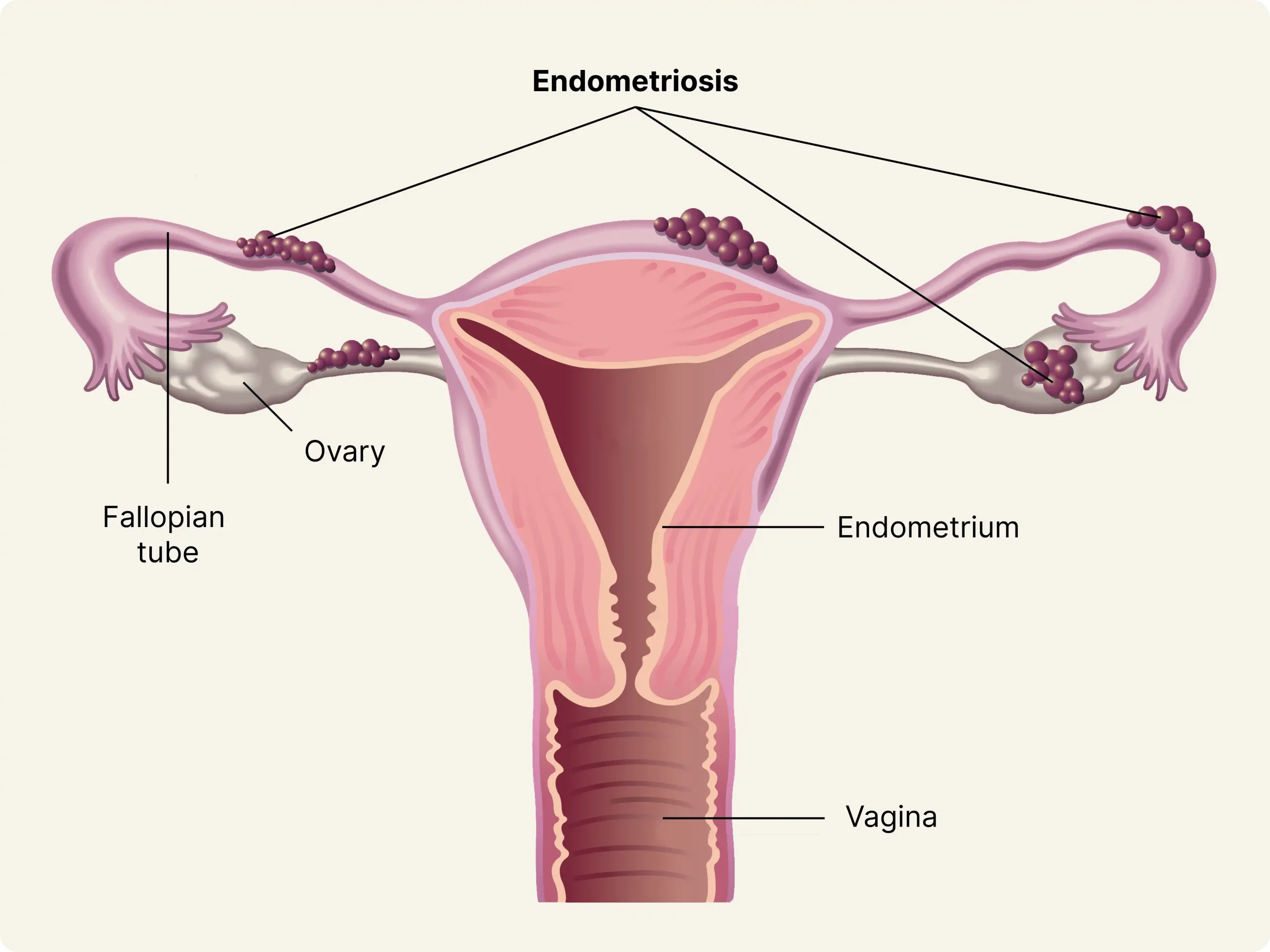
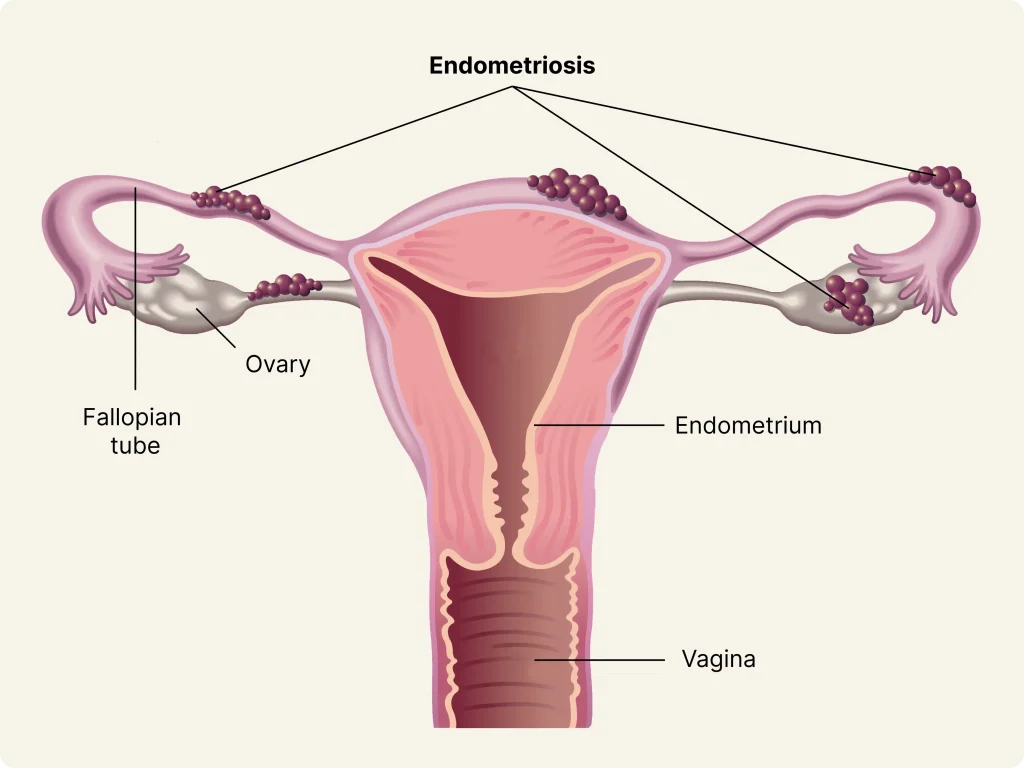
Endometriosis is a chronic, often painful condition in which tissue similar to the lining of the uterus grows outside the uterine cavity. In its severe form, it can significantly impact a woman’s quality of life, fertility, and overall well-being.
Managing severe endometriosis requires a multidisciplinary and individualized approach, combining medical therapy, advanced surgical techniques, and long-term care strategies.
Understanding Severe Endometriosis
Severe endometriosis (commonly classified as Stage III or IV) is characterized by:
- Extensive endometrial implants
- Deep infiltrating lesions
- Large ovarian cysts (endometriomas)
- Dense pelvic adhesions
- Distorted pelvic anatomy
The disease can affect multiple organs, including the ovaries, fallopian tubes, bowel, bladder, and pelvic lining.
Symptoms of Severe Endometriosis
Symptoms may vary but often include:
- Chronic pelvic pain
- Severe menstrual cramps (dysmenorrhea)
- Pain during intercourse (dyspareunia)
- Heavy or irregular menstrual bleeding
- Painful bowel movements or urination
- Infertility
In advanced cases, symptoms can be persistent and significantly debilitating.
Goals of Management
Treatment of severe endometriosis focuses on:
- Pain relief
- Removal or reduction of disease
- Preservation or improvement of fertility
- Prevention of recurrence
- تحسين overall quality of life
Medical Management
Medical therapy is often the first line of treatment or used alongside surgery.
1. Hormonal Therapy
Hormonal treatments aim to suppress estrogen, which fuels endometriosis growth.
- Combined oral contraceptives
- Progestins
- GnRH agonists and antagonists
These therapies help reduce pain and slow disease progression but do not eliminate existing lesions.
2. Pain Management
- Nonsteroidal anti-inflammatory drugs (NSAIDs)
- Neuropathic pain medications (in selected cases)
Pain control is essential for improving daily functioning.
Surgical Management
Surgery plays a central role in treating severe endometriosis, especially when symptoms are significant or fertility is affected.
Advanced Laparoscopic Surgery
Laparoscopy is the gold standard for both diagnosis and treatment.
Procedures may include:
- Excision of endometriotic lesions
- Removal of endometriomas
- Adhesiolysis (removal of scar tissue)
- Restoration of normal pelvic anatomy
Deep Infiltrating Endometriosis (DIE) Surgery
In cases involving the bowel or bladder, highly specialized surgical techniques may be required, often involving a multidisciplinary team.
Fertility Considerations
Severe endometriosis can impair fertility through:
- Distorted pelvic anatomy
- Tubal blockage
- Inflammatory changes
Management Options:
- Conservative surgery to restore anatomy
- Assisted reproductive techniques such as IVF
- Combination of surgery and fertility treatment
Treatment plans should be tailored based on age, ovarian reserve, and reproductive goals.
Recurrence and Long-Term Management
Endometriosis is a chronic condition with a risk of recurrence.
Strategies to reduce recurrence include:
- Postoperative hormonal suppression
- Regular follow-up
- Lifestyle modifications (diet, stress management)
Long-term care is essential to maintain symptom control and prevent disease progression.
Multidisciplinary Approach
Effective management often involves collaboration between:
- Gynecologists
- Fertility specialists
- Pain management experts
- Gastrointestinal or urological surgeons (in advanced cases)
- Mental health professionals
This holistic approach ensures comprehensive care addressing both physical and emotional aspects.
Emerging Therapies and Future Directions
Research in endometriosis is ongoing, with promising developments in:
- Non-hormonal medical treatments
- Targeted therapies
- Improved imaging techniques for early diagnosis
- Personalized treatment strategies
These advancements aim to improve outcomes and reduce the burden of disease.
Conclusion
Severe endometriosis is a complex and challenging condition, but with the right combination of medical, surgical, and supportive care, it can be effectively managed. Early diagnosis, individualized treatment planning, and long-term follow-up are key to improving outcomes and quality of life.
Women experiencing persistent pelvic pain or fertility issues should seek evaluation from experienced specialists to ensure timely and appropriate management.