
Success with Recurrent Implantation Failure
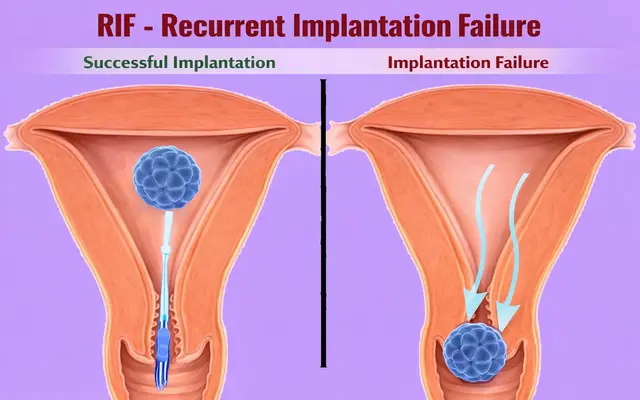
A Detailed Look at Personalized Embryo Transfer Protocols.
Introduction
Recurrent implantation failure (RIF) remains one of the most challenging aspects of assisted reproductive medicine. For couples undergoing in vitro fertilization (IVF), repeated unsuccessful cycles can be emotionally and physically exhausting.
However, advances in personalized reproductive medicine have opened new pathways to success. Tailored embryo transfer protocols—designed according to an individual’s unique biological profile—are increasingly leading to successful pregnancies, even after multiple failed attempts.
This blog explores how personalized embryo transfer strategies can overcome recurrent implantation failure and improve outcomes.
What is Recurrent Implantation Failure (RIF)?
Recurrent implantation failure is generally defined as the failure to achieve a clinical pregnancy after multiple IVF cycles, despite the transfer of good-quality embryos.
While definitions may vary, RIF is often considered when:
- At least three embryo transfer cycles have failed
- High-quality or genetically normal embryos have been used
- No obvious cause has been identified in standard evaluations
Causes of Recurrent Implantation Failure
RIF is a multifactorial condition, and its causes may include:
1. Endometrial Factors
- Displaced window of implantation
- Thin endometrial lining
- Chronic endometritis
2. Embryonic Factors
- Chromosomal abnormalities
- Poor embryo development
3. Immunological Factors
- Abnormal immune response
- Elevated natural killer (NK) cell activity
4. Hormonal Imbalances
- Progesterone insufficiency
- Thyroid disorders
5. Anatomical Issues
- Uterine fibroids
- Polyps or adhesions
Identifying the underlying cause is crucial for developing an effective treatment strategy.
The Role of Personalized Embryo Transfer
Personalized embryo transfer focuses on customizing the timing, preparation, and conditions of embryo transfer based on individual patient characteristics rather than following a standard protocol.
This approach significantly improves implantation chances by aligning embryo transfer with the patient’s optimal implantation window.
Key Components of a Personalized Protocol
1. Endometrial Receptivity Testing
Tests such as the Endometrial Receptivity Analysis (ERA) help determine the precise window of implantation (WOI).
- Identifies whether the endometrium is receptive
- Adjusts timing of embryo transfer accordingly
- Especially useful in patients with repeated failures
2. Optimized Hormonal Support
Customized hormonal regimens ensure the uterus is adequately prepared.
- Individualized progesterone timing and dosage
- Estrogen support for endometrial thickness
- Monitoring hormone levels before transfer
3. Use of Genetically Screened Embryos
Preimplantation genetic testing (PGT) helps select chromosomally normal embryos, increasing the likelihood of implantation and reducing miscarriage risk.
4. Management of Uterine Environment
Addressing underlying uterine issues is critical:
- Treatment of infections such as chronic endometritis
- Removal of polyps or fibroids
- Improving endometrial thickness with targeted therapies
5. Immunological Modulation (When Indicated)
In selected cases, immune therapies may be used:
- Corticosteroids
- Intralipid therapy
- Anticoagulants
These are considered based on specific diagnostic findings.
Case Insight: Success After Three Failed Cycles
A patient with a history of three unsuccessful IVF cycles underwent a comprehensive evaluation. Despite transferring good-quality embryos, implantation had not occurred.
Findings:
- Displaced window of implantation
- Mild endometrial inflammation
Personalized Approach:
- ERA-guided timing adjustment
- Targeted antibiotic therapy
- Customized progesterone support
- Transfer of a genetically tested embryo
Outcome:
Following the personalized embryo transfer protocol, the patient achieved a successful clinical pregnancy in the subsequent cycle.
Benefits of Personalized Embryo Transfer
- Higher implantation rates
- Reduced number of failed cycles
- More efficient use of embryos
- Improved patient confidence and emotional well-being
Challenges and Considerations
- Additional testing may increase cost
- Not all patients require extensive personalization
- Requires specialized expertise and facilities
A tailored approach should always be guided by clinical findings rather than applied universally.
Conclusion
Recurrent implantation failure can be a complex and frustrating journey, but it is not the end of the road. Personalized embryo transfer protocols represent a significant advancement in reproductive medicine, offering renewed hope to patients who have experienced multiple failed IVF cycles.
By focusing on individual biology—rather than a one-size-fits-all approach—clinicians can significantly improve the chances of successful implantation and pregnancy.