
Non-Invasive Fibroid Treatments
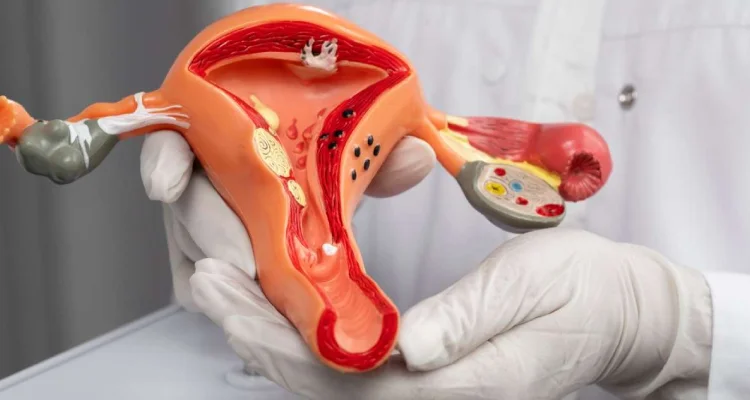
Modern Alternatives to Surgery for Uterine Fibroids
Introduction
Uterine fibroids are common benign growths that affect a significant number of women during their reproductive years. While some fibroids remain asymptomatic, others can cause heavy bleeding, pelvic pain, and fertility concerns.
Traditionally, treatment often involved surgery. However, advancements in medical technology have introduced non-invasive and minimally invasive options that effectively manage fibroids while preserving the uterus and reducing recovery time.
This blog explores the latest non-invasive fibroid treatments and how they are transforming patient care.
Understanding Uterine Fibroids
Fibroids (leiomyomas) are non-cancerous tumors that develop within or around the uterus. They vary in size, number, and location, and symptoms may include:
- Heavy or prolonged menstrual bleeding
- Pelvic pressure or pain
- Frequent urination
- Constipation
- Difficulty conceiving
Not all fibroids require treatment—intervention depends on symptom severity, size, and patient goals.
What Are Non-Invasive Fibroid Treatments?
Non-invasive treatments are procedures that do not require surgical incisions and typically involve minimal downtime. These approaches focus on shrinking fibroids, reducing symptoms, and improving quality of life.
Key Non-Invasive Treatment Options
1. MRI-Guided Focused Ultrasound Surgery (FUS)
MRI-guided focused ultrasound is one of the most advanced non-invasive treatments available.
How It Works:
- High-intensity ultrasound waves are directed at fibroids
- Heat destroys fibroid tissue without affecting surrounding structures
- MRI imaging ensures precision and safety
Benefits:
- No incisions
- Outpatient procedure
- Quick recovery (often within a few days)
- Preservation of the uterus
Limitations:
- Not suitable for all fibroid types or locations
- Availability may be limited
2. Uterine Artery Embolization (UAE)
Although technically minimally invasive rather than completely non-invasive, UAE is a widely used alternative to surgery.
How It Works:
- Tiny particles are injected into the uterine arteries
- Blood supply to fibroids is blocked
- Fibroids shrink over time
Benefits:
- Significant symptom relief
- Short hospital stay
- Avoids major surgery
Considerations:
- May not be ideal for women planning future pregnancy
- Temporary post-procedure discomfort is common
3. Radiofrequency Ablation (RFA)
Radiofrequency ablation uses heat energy to destroy fibroid tissue.
Approaches:
- Laparoscopic (minimally invasive)
- Transcervical (through the cervix, no incisions)
Benefits:
- Targeted treatment
- Faster recovery compared to open surgery
- Reduced fibroid size and symptoms
4. Medical (Non-Surgical) Management
Medications can help manage symptoms, especially in mild to moderate cases.
Options include:
- Hormonal contraceptives
- Progestins
- GnRH agonists and antagonists
- Tranexamic acid (for heavy bleeding)
Benefits:
- Non-invasive
- Can reduce bleeding and pain
Limitations:
- Temporary symptom control
- Fibroids may regrow after stopping treatment
Choosing the Right Treatment
The most appropriate treatment depends on several factors:
- Size, number, and location of fibroids
- Severity of symptoms
- Age and reproductive plans
- Overall health
A personalized approach ensures optimal outcomes.
Advantages of Non-Invasive Treatments
- No or minimal incisions
- Shorter recovery time
- Lower risk of complications
- Uterus preservation
- Reduced hospital stay
Limitations and Considerations
- Not all patients are suitable candidates
- Some treatments may require repeat procedures
- Long-term outcomes vary depending on the method
- Access to advanced technologies may be limited
Future of Fibroid Treatment
Emerging technologies and research are focused on:
- Improving precision of non-invasive therapies
- Expanding treatment eligibility
- Developing long-lasting medical therapies
- Enhancing fertility-preserving options
Conclusion
Non-invasive fibroid treatments represent a significant advancement in women’s healthcare, offering effective symptom relief without the need for major surgery. From focused ultrasound to targeted embolization and medical therapy, these options provide flexibility and improved quality of life for many patients.
Women experiencing fibroid-related symptoms should consult a specialist to explore the most suitable treatment based on their individual needs and future goals.