
How to Get Pregnant Fast?
Starting a family is a wonderful and exciting step for many couples. But when they decide to try, one question often comes up: “How can we get pregnant quickly?” The answer isn’t about magic or luck—it’s about knowing the right time to try, keeping the body healthy, and being patient. There isn’t a guaranteed way to get pregnant overnight, but there are several easy and natural steps that can help increase the chances. In this blog, everything will be explained in a simple and clear way—like how to track ovulation, what lifestyle changes can help, natural tips, and expert advice—so that couples can feel confident and prepared on their journey to becoming parents. Let’s move through this process step by step! 1. What Is the Fertile Window and Why Does It Matters? The first thing you need to understand is your fertile window — the time in your menstrual cycle when you are most likely to get pregnant. This window includes the day you ovulate and the five days before it. Why does this matter? Because sperm can live for up to five days inside the female body, while an egg only survives for 12 to 24 hours after being released. Intercourse during this period greatly improves the chances of conception. When does ovulation occur? For a 28-day cycle, ovulation generally takes place around day 14. But not every woman’s cycle is the same. For some, it may happen between day 11 and day 21. 2. How Do You Track Your Fertile Days? This is where many couples get confused. But it’s easier than you think! Here’s how you can track it: Use a period-tracking app or calendar – mark your period dates and predict ovulation. Check cervical mucus – during fertile days, mucus appears clear, stretchy, and slippery like egg whites. Ovulation predictor kits – these detect a surge in LH (luteinizing hormone), occurring 24–36 hours before ovulation. Basal body temperature (BBT) – your temperature slightly increases after ovulation. Tracking it daily helps you see the pattern. Body signals – some women experience mild cramps, breast soreness, or heightened libido when ovulating. By knowing your cycle, you’ll be able to time intercourse better and increase the chances of conception. 3. How Often Should You Have Sex? Many couples ask, “How many times should we have sex to get pregnant fast?” The answer is simple! ✔ Aim for intercourse every 2 days during your fertile period. ✔ Daily sex is okay too, but overdoing it can sometimes reduce sperm count. ✔ For irregular cycles, having intercourse every 2–3 days throughout the month ensures sperm is available when ovulation occurs. Remember, it’s about quality, not quantity! 4. Healthy Lifestyle Tips to Boost Fertility A healthy body improves the chances of conceiving. Here’s what you and your partner can do to naturally improve fertility: For Women: Keep a healthy weight—being too heavy or too light can disrupt ovulation patterns. Eat fertility-friendly foods – leafy greens, fresh fruits, nuts, whole grains, and foods rich in folic acid are excellent. Take prenatal vitamins – 400 mcg of folic acid daily supports fertility and early pregnancy health. Reduce stress – practice meditation, yoga, or deep breathing to keep your hormones balanced. Limit extreme workouts – moderate exercise is beneficial, but overtraining may interfere with your cycle. For Men: Protect sperm health—avoid wearing tight underwear or exposing yourself to hot environments like saunas or hot tubs. Eat nutrient-rich foods – zinc, vitamin C, and antioxidants support sperm quality. Avoid smoking and limit alcohol – both reduce sperm count and mobility. For Both: Limit caffeine – 200 mg per day (about one cup of coffee) is considered safe. Quit smoking – it’s harmful to both egg and sperm health. Stay physically active – light exercise keeps your hormones in balance and your body healthy. 5. Natural methods to assist sperm in reaching the egg If you’re trying to get pregnant fast without medical interventions, here are a few natural tips: After intercourse, lie down for 10–15 minutes. This helps sperm travel toward the egg. Avoid douching or using harsh lubricants as they can block or kill sperm. Use fertility-friendly lubricants instead. Visit your gynecologist for a preconception checkup. You’ll get expert guidance on vitamins, diet, and possible medical conditions that might affect fertility. 6. When Is the Best Time to Have Sex After Your Period? A very common question is, “Can I get pregnant right after my period?” Ovulation typically happens on day 14 for most women with a 28-day cycle, making days 11 to 16 the most fertile. If you have sex regularly from day 9 to day 16, you’re covering the entire fertile window. If your cycle is irregular, tracking ovulation using kits or monitoring cervical mucus is the most accurate way to know when you’re fertile. 7. Special Situations You Should Know About a) If You Have PCOS Polycystic Ovary Syndrome (PCOS) may disrupt cycles and make ovulation more challenging. Here’s what helps: ✔ Even small weight loss can improve cycle regulation. ✔ Eat a low-sugar, high-fiber diet. ✔ Moderate exercise helps balance hormones. ✔ Track ovulation carefully with kits or temperature charting. ✔ Manage stress because it worsens hormonal imbalances. If natural methods don’t work after several months, consult a fertility specialist. b) If You Are Over 30 or 35 Fertility naturally declines after age 30, especially after 35. ✔ Track ovulation carefully. ✔ Have intercourse regularly during fertile days. ✔ If you don’t conceive within 6 months, seek medical advice. 8. When Should You See a Doctor? Sometimes, even after following all the tips, pregnancy may not happen right away—and that’s okay! Consult a fertility expert if: ✔ You’ve been trying for 12 months without success. ✔ You’re over 35 and haven’t conceived in 6 months. ✔ You experience painful periods, irregular cycles, or other health issues. A doctor may suggest: ✅ Hormonal blood tests ✅ Ultrasounds to monitor ovulation ✅ Sperm analysis for your partner ✅ Treatments like medications or
Non-Invasive Fibroid Treatments
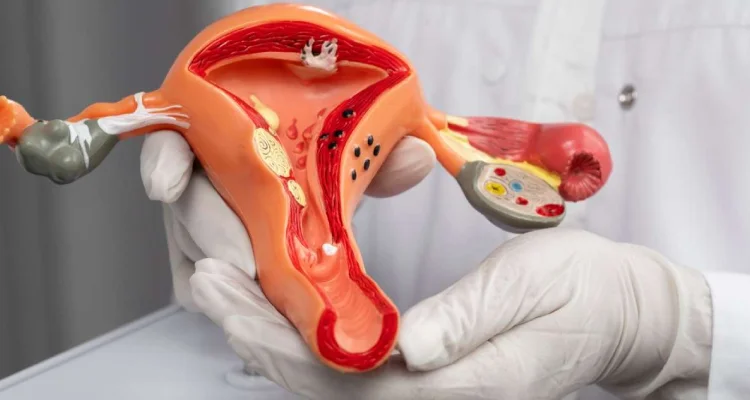
Modern Alternatives to Surgery for Uterine Fibroids Introduction Uterine fibroids are common benign growths that affect a significant number of women during their reproductive years. While some fibroids remain asymptomatic, others can cause heavy bleeding, pelvic pain, and fertility concerns. Traditionally, treatment often involved surgery. However, advancements in medical technology have introduced non-invasive and minimally invasive options that effectively manage fibroids while preserving the uterus and reducing recovery time. This blog explores the latest non-invasive fibroid treatments and how they are transforming patient care. Understanding Uterine Fibroids Fibroids (leiomyomas) are non-cancerous tumors that develop within or around the uterus. They vary in size, number, and location, and symptoms may include: Not all fibroids require treatment—intervention depends on symptom severity, size, and patient goals. What Are Non-Invasive Fibroid Treatments? Non-invasive treatments are procedures that do not require surgical incisions and typically involve minimal downtime. These approaches focus on shrinking fibroids, reducing symptoms, and improving quality of life. Key Non-Invasive Treatment Options 1. MRI-Guided Focused Ultrasound Surgery (FUS) MRI-guided focused ultrasound is one of the most advanced non-invasive treatments available. How It Works: Benefits: Limitations: 2. Uterine Artery Embolization (UAE) Although technically minimally invasive rather than completely non-invasive, UAE is a widely used alternative to surgery. How It Works: Benefits: Considerations: 3. Radiofrequency Ablation (RFA) Radiofrequency ablation uses heat energy to destroy fibroid tissue. Approaches: Benefits: 4. Medical (Non-Surgical) Management Medications can help manage symptoms, especially in mild to moderate cases. Options include: Benefits: Limitations: Choosing the Right Treatment The most appropriate treatment depends on several factors: A personalized approach ensures optimal outcomes. Advantages of Non-Invasive Treatments Limitations and Considerations Future of Fibroid Treatment Emerging technologies and research are focused on: Conclusion Non-invasive fibroid treatments represent a significant advancement in women’s healthcare, offering effective symptom relief without the need for major surgery. From focused ultrasound to targeted embolization and medical therapy, these options provide flexibility and improved quality of life for many patients. Women experiencing fibroid-related symptoms should consult a specialist to explore the most suitable treatment based on their individual needs and future goals.
Management of Severe Endometriosis
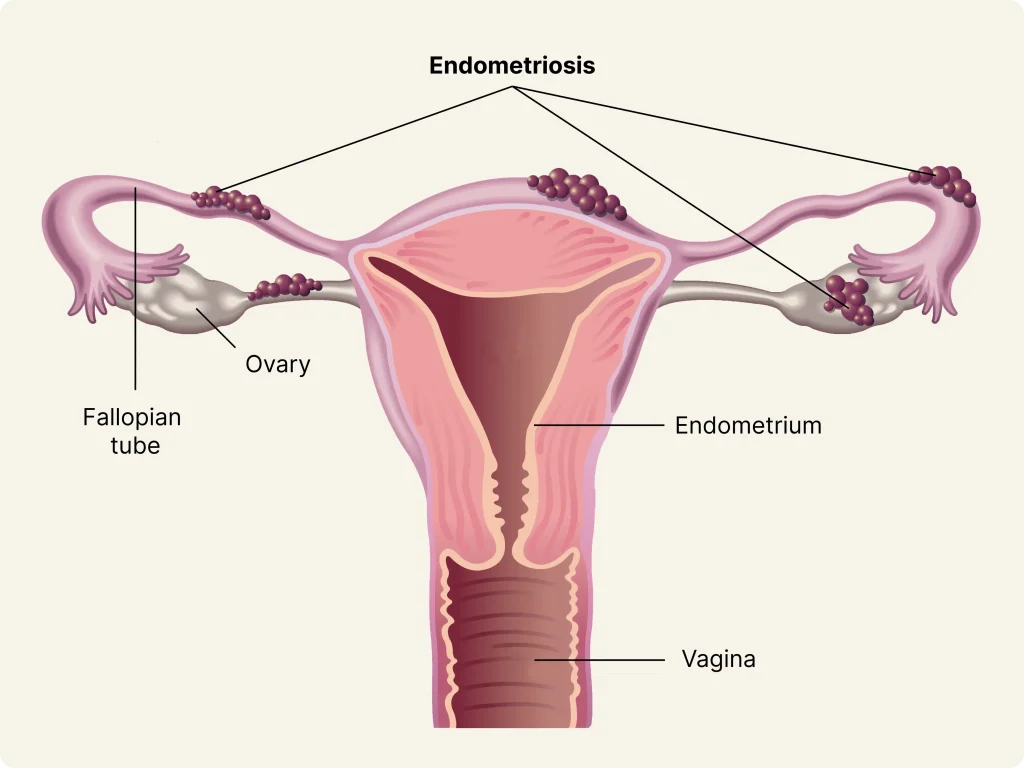
A Comprehensive Approach to Treating Advanced Disease Introduction Endometriosis is a chronic, often painful condition in which tissue similar to the lining of the uterus grows outside the uterine cavity. In its severe form, it can significantly impact a woman’s quality of life, fertility, and overall well-being. Managing severe endometriosis requires a multidisciplinary and individualized approach, combining medical therapy, advanced surgical techniques, and long-term care strategies. Understanding Severe Endometriosis Severe endometriosis (commonly classified as Stage III or IV) is characterized by: The disease can affect multiple organs, including the ovaries, fallopian tubes, bowel, bladder, and pelvic lining. Symptoms of Severe Endometriosis Symptoms may vary but often include: In advanced cases, symptoms can be persistent and significantly debilitating. Goals of Management Treatment of severe endometriosis focuses on: Medical Management Medical therapy is often the first line of treatment or used alongside surgery. 1. Hormonal Therapy Hormonal treatments aim to suppress estrogen, which fuels endometriosis growth. These therapies help reduce pain and slow disease progression but do not eliminate existing lesions. 2. Pain Management Pain control is essential for improving daily functioning. Surgical Management Surgery plays a central role in treating severe endometriosis, especially when symptoms are significant or fertility is affected. Advanced Laparoscopic Surgery Laparoscopy is the gold standard for both diagnosis and treatment. Procedures may include: Deep Infiltrating Endometriosis (DIE) Surgery In cases involving the bowel or bladder, highly specialized surgical techniques may be required, often involving a multidisciplinary team. Fertility Considerations Severe endometriosis can impair fertility through: Management Options: Treatment plans should be tailored based on age, ovarian reserve, and reproductive goals. Recurrence and Long-Term Management Endometriosis is a chronic condition with a risk of recurrence. Strategies to reduce recurrence include: Long-term care is essential to maintain symptom control and prevent disease progression. Multidisciplinary Approach Effective management often involves collaboration between: This holistic approach ensures comprehensive care addressing both physical and emotional aspects. Emerging Therapies and Future Directions Research in endometriosis is ongoing, with promising developments in: These advancements aim to improve outcomes and reduce the burden of disease. Conclusion Severe endometriosis is a complex and challenging condition, but with the right combination of medical, surgical, and supportive care, it can be effectively managed. Early diagnosis, individualized treatment planning, and long-term follow-up are key to improving outcomes and quality of life. Women experiencing persistent pelvic pain or fertility issues should seek evaluation from experienced specialists to ensure timely and appropriate management.
Laparoscopic Myomectomy for Large Fibroids
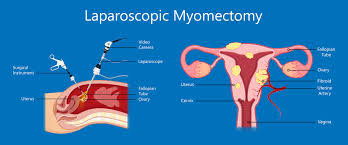
A Minimally Invasive Approach to Complex Fibroid Removal Introduction Uterine fibroids are among the most common benign tumors affecting women of reproductive age. While many fibroids remain asymptomatic, larger fibroids can lead to significant symptoms, including heavy menstrual bleeding, pelvic pain, and fertility challenges. Traditionally, large fibroids were managed through open surgery. However, advancements in minimally invasive techniques have made laparoscopic myomectomy a safe and effective option—even for large fibroids—in selected patients. Understanding Uterine Fibroid Fibroids (also known as leiomyomas) are non-cancerous growths that develop from the muscular wall of the uterus. They vary in: Large fibroids—typically greater than 5–10 cm—can distort the uterine structure and significantly impact quality of life. What is Laparoscopic Myomectomy? Laparoscopic myomectomy is a minimally invasive surgical procedure used to remove fibroids while preserving the uterus. The procedure involves: This technique allows for precise removal with minimal disruption to surrounding tissues. Can Large Fibroids Be Removed Laparoscopically? Yes—with advances in surgical expertise and technology, laparoscopic removal of large fibroids is increasingly feasible. However, success depends on: In complex cases, careful patient selection is critical to ensure safety and optimal outcomes. Indications for Laparoscopic Myomectomy This procedure may be recommended for women who: Surgical Technique Overview 1. Preoperative Preparation 2. Procedure Steps Advantages of the Laparoscopic Approach Challenges in Large Fibroid Cases Managing large fibroids laparoscopically presents unique challenges: These challenges highlight the importance of an experienced surgical team. Outcomes and Success Rates When performed by skilled surgeons, laparoscopic myomectomy for large fibroids can achieve: Many women successfully conceive after the procedure, depending on individual reproductive factors. Risks and Complications Although generally safe, potential risks include: Recovery and Postoperative Care Patients planning pregnancy are usually advised to wait a few months before attempting conception. Laparoscopic vs Open Myomectomy Feature Laparoscopic Myomectomy Open Myomectomy Incision Small (keyhole) Large abdominal incision Recovery Time Faster Longer Pain Less More Hospital Stay Short Extended Conclusion Laparoscopic myomectomy has revolutionized the management of uterine fibroids, offering a minimally invasive alternative even for larger fibroids in selected cases. With the right expertise and careful planning, this approach provides excellent outcomes while preserving fertility and reducing recovery time. Women experiencing symptoms from large fibroids should consult a qualified gynecologic surgeon to explore whether laparoscopic myomectomy is a suitable option for their condition.
AI in Embryo Selection
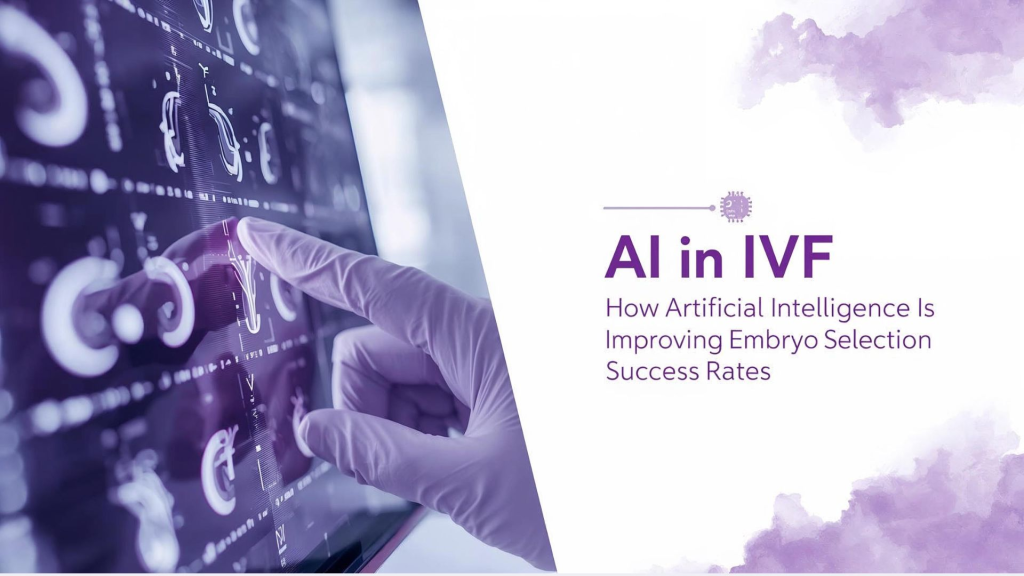
How Artificial Intelligence is Improving IVF Success Rates Introduction The integration of artificial intelligence (AI) into reproductive medicine is transforming how clinicians approach embryo selection during in vitro fertilization (IVF). Traditionally reliant on manual assessment and subjective grading, embryo evaluation is now being enhanced by data-driven algorithms capable of identifying subtle patterns invisible to the human eye. AI-powered embryo selection is emerging as a powerful tool to improve implantation rates and live birth outcomes, offering new hope to patients undergoing fertility treatment. The Importance of Embryo Selection in IVF A critical step in IVF is choosing the embryo with the highest potential for successful implantation and development into a healthy pregnancy. Traditionally, embryologists assess embryos based on: While effective, these methods have limitations: This is where AI is making a significant impact. How AI is Transforming Embryo Selection Artificial intelligence uses machine learning and deep learning algorithms trained on thousands of embryo images and clinical outcomes. These systems analyze time-lapse imaging data to predict which embryos are most likely to result in a live birth. Key Capabilities of AI: 1. Advanced Image Analysis AI evaluates high-resolution images and time-lapse videos of embryo development, identifying patterns too subtle for manual detection. 2. Predictive Modeling Algorithms correlate embryo characteristics with historical success rates to predict: 3. Continuous Monitoring Unlike traditional methods, AI can analyze embryo development continuously rather than at fixed time points. Technologies Enabling AI in IVF Time-Lapse Imaging Systems These incubators capture continuous images of embryos without disturbing their environment, providing rich datasets for AI analysis. Deep Learning Algorithms Neural networks process large datasets to improve prediction accuracy over time. Data Integration AI systems can combine multiple variables, including: This allows for more personalized and precise decision-making. Benefits of AI-Based Embryo Selection Improved Live Birth Rates By selecting embryos with the highest developmental potential, AI can significantly enhance the chances of a successful pregnancy. Reduced Subjectivity Standardized, algorithm-based assessments minimize variability between embryologists. Fewer IVF Cycles Better selection reduces the need for repeated cycles, saving time, cost, and emotional stress. Support for Single Embryo Transfer AI helps confidently select a single high-quality embryo, reducing the risk of multiple pregnancies. AI vs Traditional Embryo Grading Feature Traditional Assessment AI-Based Selection Evaluation Type Visual & subjective Data-driven & objective Monitoring Periodic Continuous Accuracy Moderate Higher predictive potential Consistency Variable Standardized Limitations and Challenges Despite its promise, AI in embryo selection is still evolving. AI should be viewed as a decision-support tool, not a replacement for clinical expertise. The Future of AI in Reproductive Medicine The future of AI in IVF is highly promising, with ongoing developments aimed at: As technology advances, AI is expected to play an increasingly central role in fertility care. Conclusion Artificial intelligence is redefining embryo selection in IVF by introducing precision, consistency, and predictive power into a traditionally subjective process. By optimizing embryo choice, AI has the potential to significantly improve live birth rates and overall treatment success. While challenges remain, the combination of AI technology and clinical expertise represents a major step forward in reproductive medicine—offering patients a more efficient and hopeful path to parenthood.
Success with Recurrent Implantation Failure
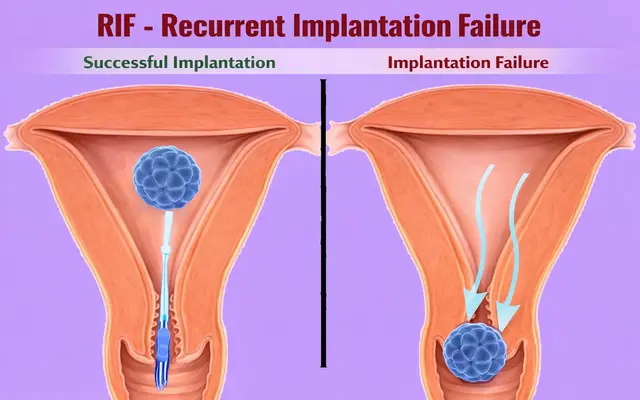
A Detailed Look at Personalized Embryo Transfer Protocols. Introduction Recurrent implantation failure (RIF) remains one of the most challenging aspects of assisted reproductive medicine. For couples undergoing in vitro fertilization (IVF), repeated unsuccessful cycles can be emotionally and physically exhausting. However, advances in personalized reproductive medicine have opened new pathways to success. Tailored embryo transfer protocols—designed according to an individual’s unique biological profile—are increasingly leading to successful pregnancies, even after multiple failed attempts. This blog explores how personalized embryo transfer strategies can overcome recurrent implantation failure and improve outcomes. What is Recurrent Implantation Failure (RIF)? Recurrent implantation failure is generally defined as the failure to achieve a clinical pregnancy after multiple IVF cycles, despite the transfer of good-quality embryos. While definitions may vary, RIF is often considered when: Causes of Recurrent Implantation Failure RIF is a multifactorial condition, and its causes may include: 1. Endometrial Factors 2. Embryonic Factors 3. Immunological Factors 4. Hormonal Imbalances 5. Anatomical Issues Identifying the underlying cause is crucial for developing an effective treatment strategy. The Role of Personalized Embryo Transfer Personalized embryo transfer focuses on customizing the timing, preparation, and conditions of embryo transfer based on individual patient characteristics rather than following a standard protocol. This approach significantly improves implantation chances by aligning embryo transfer with the patient’s optimal implantation window. Key Components of a Personalized Protocol 1. Endometrial Receptivity Testing Tests such as the Endometrial Receptivity Analysis (ERA) help determine the precise window of implantation (WOI). 2. Optimized Hormonal Support Customized hormonal regimens ensure the uterus is adequately prepared. 3. Use of Genetically Screened Embryos Preimplantation genetic testing (PGT) helps select chromosomally normal embryos, increasing the likelihood of implantation and reducing miscarriage risk. 4. Management of Uterine Environment Addressing underlying uterine issues is critical: 5. Immunological Modulation (When Indicated) In selected cases, immune therapies may be used: These are considered based on specific diagnostic findings. Case Insight: Success After Three Failed Cycles A patient with a history of three unsuccessful IVF cycles underwent a comprehensive evaluation. Despite transferring good-quality embryos, implantation had not occurred. Findings: Personalized Approach: Outcome: Following the personalized embryo transfer protocol, the patient achieved a successful clinical pregnancy in the subsequent cycle. Benefits of Personalized Embryo Transfer Challenges and Considerations A tailored approach should always be guided by clinical findings rather than applied universally. Conclusion Recurrent implantation failure can be a complex and frustrating journey, but it is not the end of the road. Personalized embryo transfer protocols represent a significant advancement in reproductive medicine, offering renewed hope to patients who have experienced multiple failed IVF cycles. By focusing on individual biology—rather than a one-size-fits-all approach—clinicians can significantly improve the chances of successful implantation and pregnancy.
Advanced Laparoscopic Tubal Recanalization
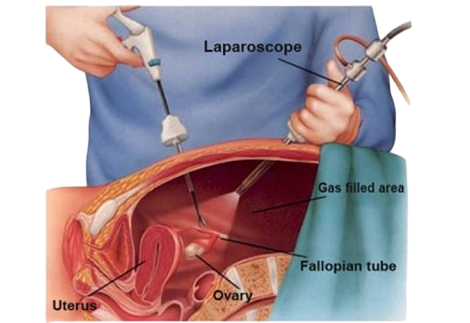
Introduction Advances in minimally invasive surgery have significantly improved fertility restoration options for women who have previously undergone tubal sterilization. One such breakthrough procedure is Advanced Laparoscopic Tubal Recanalization (LTR)—a highly precise surgical technique designed to restore the continuity of the fallopian tubes and enable natural conception. This blog explores the procedure, indications, benefits, risks, and outcomes associated with advanced laparoscopic tubal recanalization. Understanding Tubal Recanalization Tubal recanalization refers to the surgical restoration of blocked or previously ligated fallopian tubes. This is commonly sought by women who have undergone tubal ligation (permanent sterilization) but later wish to conceive again. Traditional open surgical methods have largely been replaced by laparoscopic approaches, which offer greater precision, reduced recovery time, and improved success rates. What is Advanced Laparoscopic Tubal Recanalization? Advanced laparoscopic tubal recanalization is a minimally invasive microsurgical procedure performed using a laparoscope (a thin, lighted camera) and specialized instruments. The procedure involves: High-definition imaging and microsurgical techniques enhance accuracy, minimizing tissue damage and improving outcomes. Indications for the Procedure This procedure may be recommended for women who: Preoperative Evaluation A thorough assessment is essential before proceeding. This typically includes: Patient selection plays a crucial role in determining the success of the procedure. Surgical Technique Overview The advanced laparoscopic approach involves: Advantages of the Laparoscopic Approach Success Rates and Outcomes Success depends on several factors, including: Pregnancy rates after laparoscopic recanalization typically range from 40% to 80%, with higher success observed in younger women and those with favorable tubal conditions. Risks and Complications While generally safe, the procedure carries some risks: Careful surgical technique and follow-up help minimize these risks. Laparoscopic Recanalization vs IVF Patients often consider whether to undergo tubal recanalization or opt for in vitro fertilization (IVF). Key differences include: Factor Laparoscopic Recanalization IVF Conception Natural Assisted Cost One-time surgical cost Multiple cycles may be needed Success per cycle Moderate to high Variable Time to pregnancy May take months Faster per attempt For many women, recanalization offers the advantage of multiple opportunities for natural conception after a single procedure. Postoperative Care and Recovery Conclusion Advanced laparoscopic tubal recanalization represents a significant advancement in fertility-restoring surgery. By combining minimally invasive techniques with microsurgical precision, it offers women a safe and effective pathway to natural conception after tubal sterilization. Careful patient selection, skilled surgical execution, and proper postoperative care are key to achieving optimal outcomes. Women considering this procedure should consult a qualified fertility specialist to determine the most suitable approach based on their individual circumstances.